
The eligibility case of Alabama basketball player Charles Bediako has taken a twist, with SEC Commissioner Greg Sankey filing an affidavit emphatically arguing that not upholding NCAA eligibility rules "fuels disruption" on the college sports landscape.
In a court filing on Thursday, one day before Bediako's injunction hearing, Sankey took a clear position against the courts granting the eligibility of an athlete at one of his league's marquee brands.
He stated clearly that the NCAA eligibility rules are "essential to the integrity of college sports" and that the courts uphold them in this case, all while not mentioning Alabama or Bediako by name.
"Inconsistent application of the NCAA eligibility rules challenged in this case - through court rulings or otherwise - fuels disruption in college sports," Sankey said in the filing.
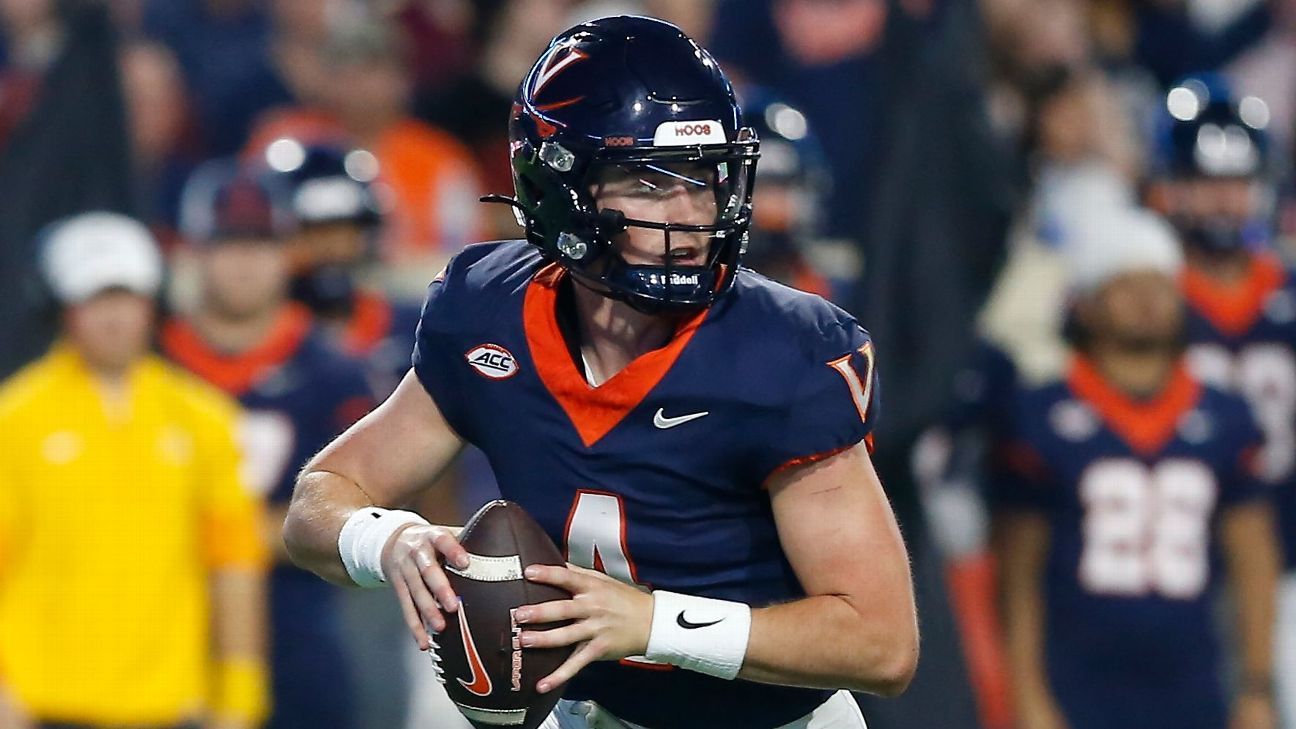
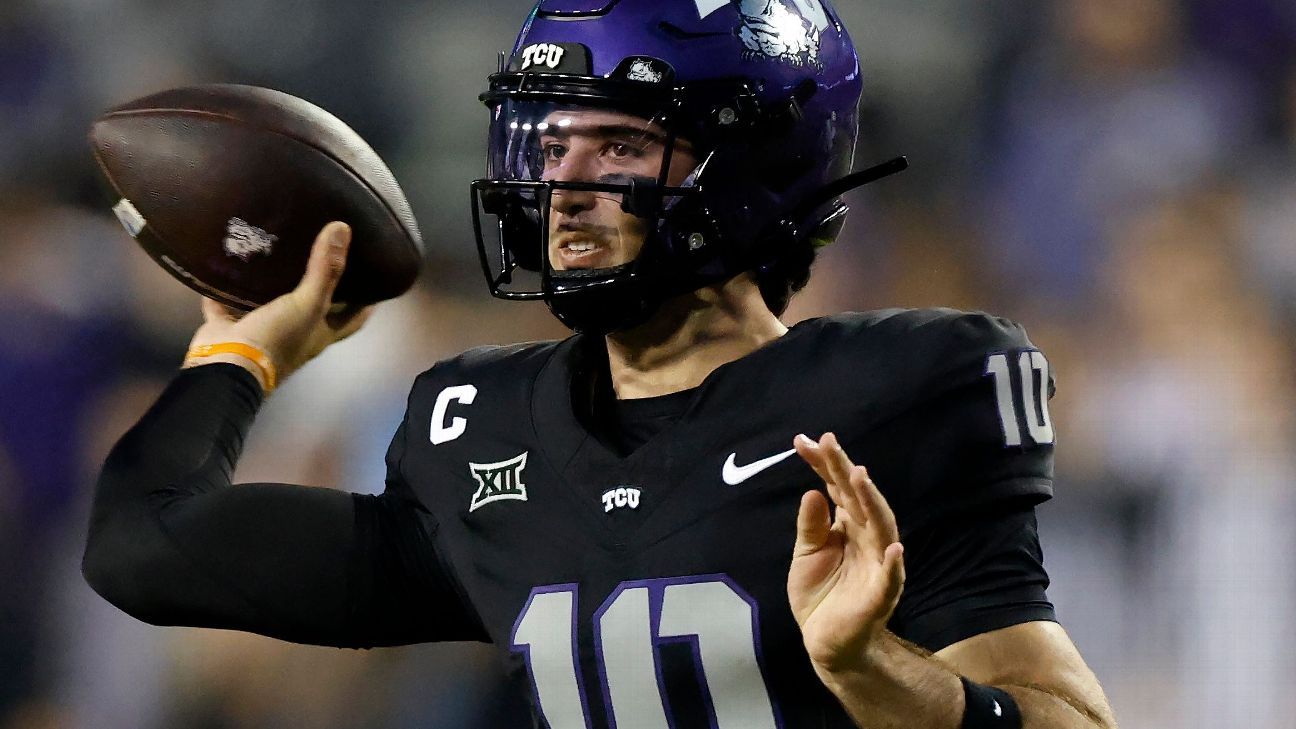
The filing comes at a time when two other SEC athletes - Tennessee quarterback Joey Aguilar and Ole Miss quarterback Trinidad Chambliss - are in eligibility cases slated to be heard in court this month.
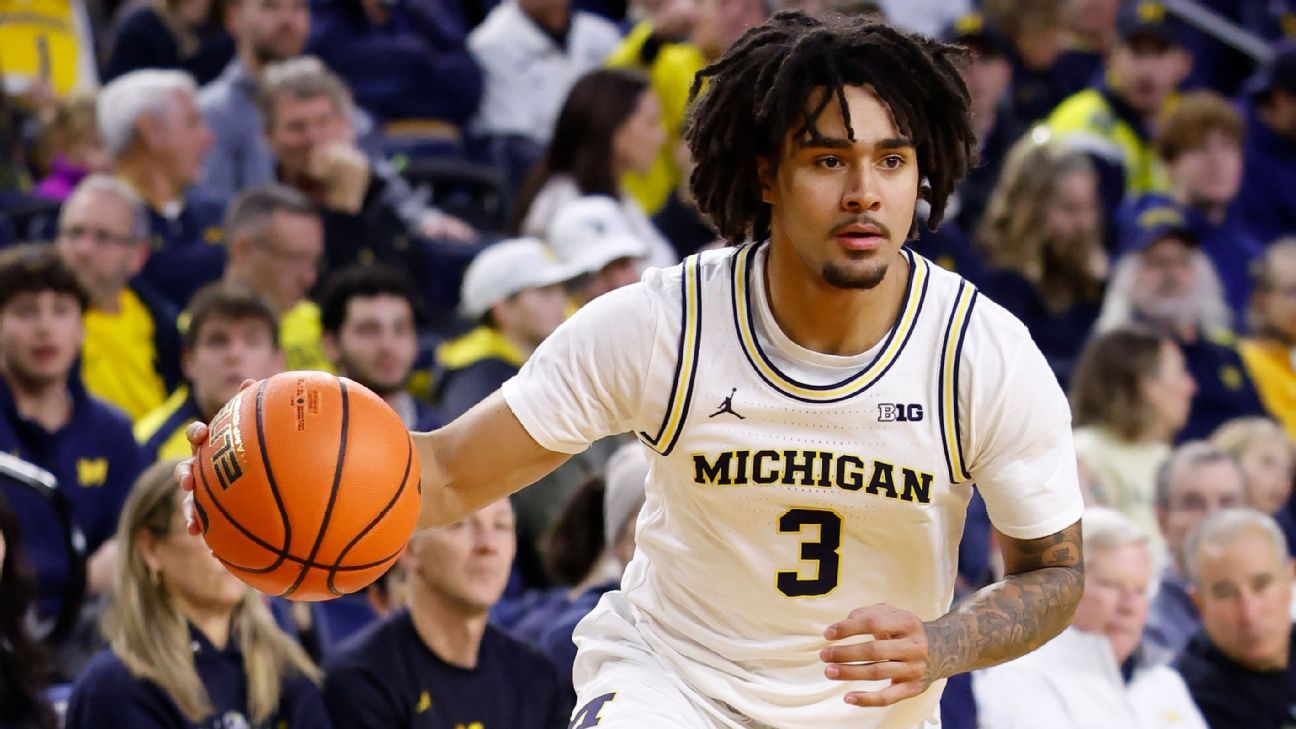
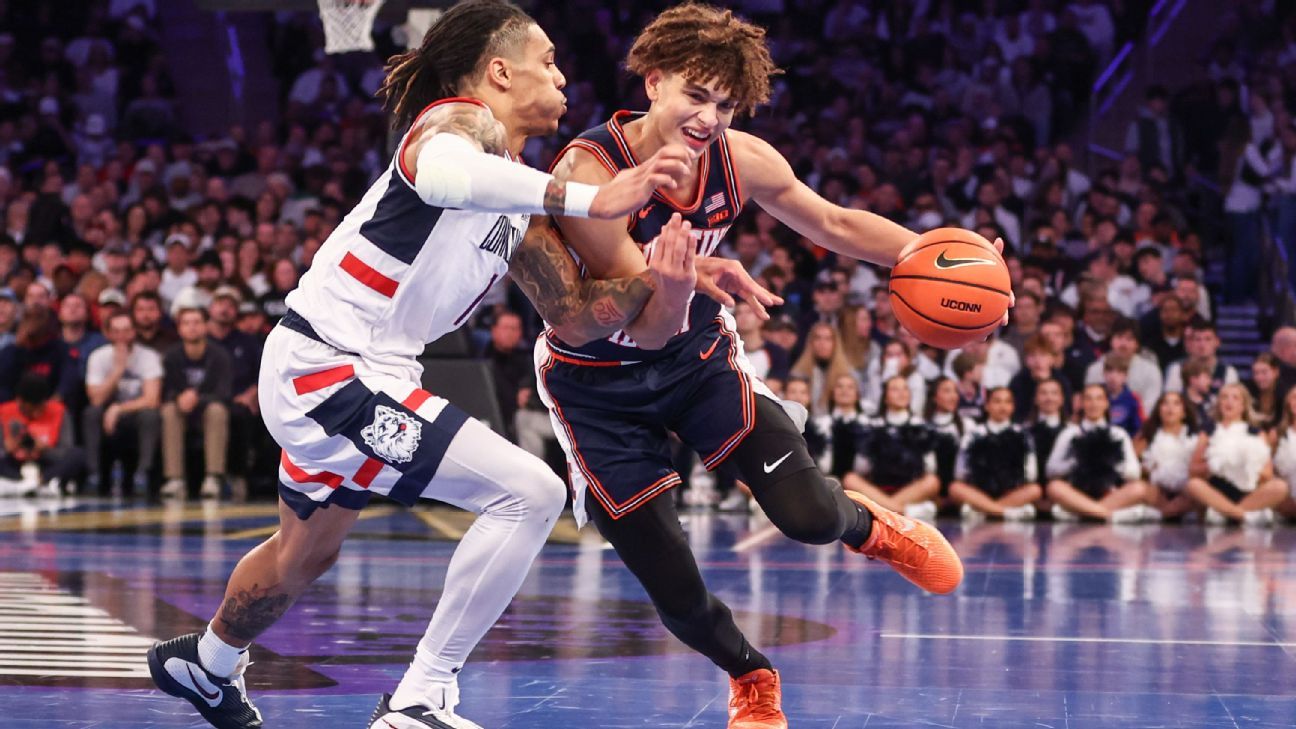
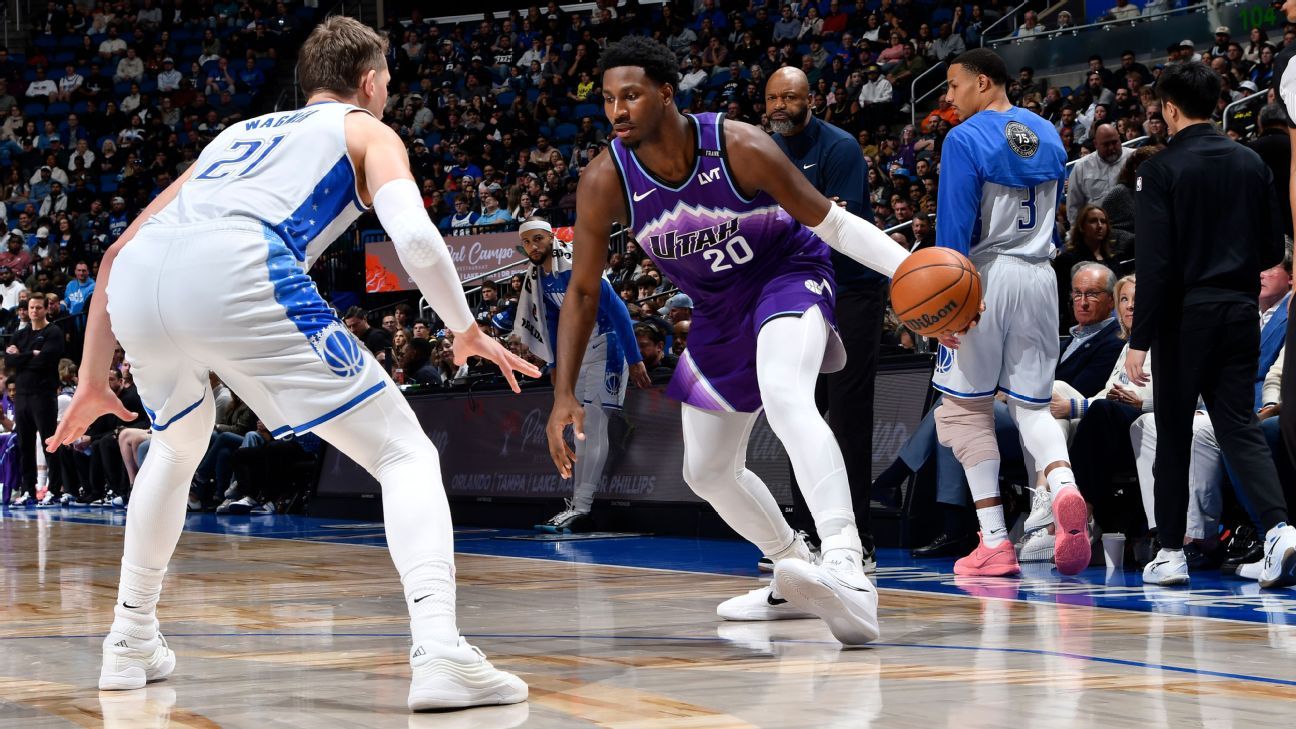
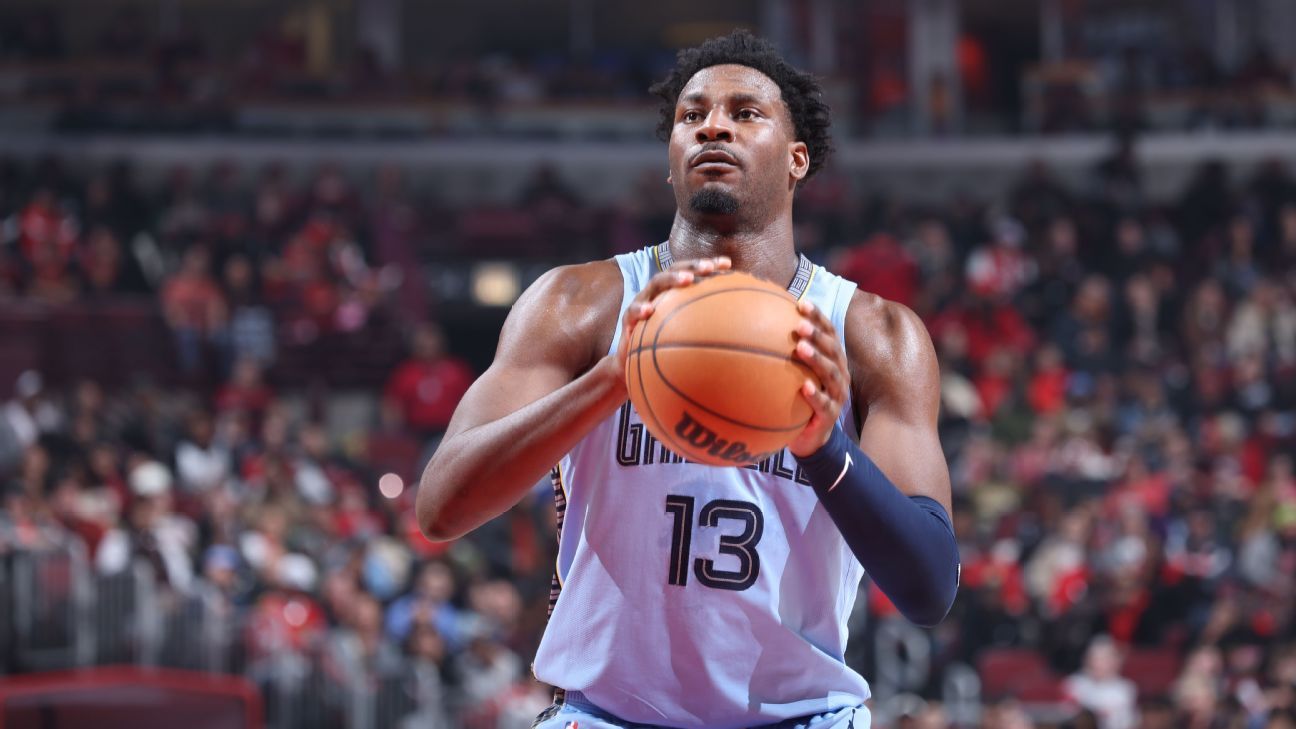
Bediako's case comes after a temporary restraining order in state court has allowed him to play in four games for the Crimson Tide this season. (He's averaging 9.5 points and 5.0 rebounds.) The ruling came after the NCAA explicitly ruled Bediako ineligible and called Alabama's actions to support his case "attempts to sidestep NCAA rules."
The NCAA has consistently made clear in these eligibility cases that go to court that they need Congressional help to "empower college sports to enforce our rules."
In the affidavit, Sankey lays out the why these eligibility cases matter on the landscape.
"Permitting former professional athletes to return to competition creates a competitive disadvantage and fundamental unfairness for current student-athletes who have not pursued a professional sports career."
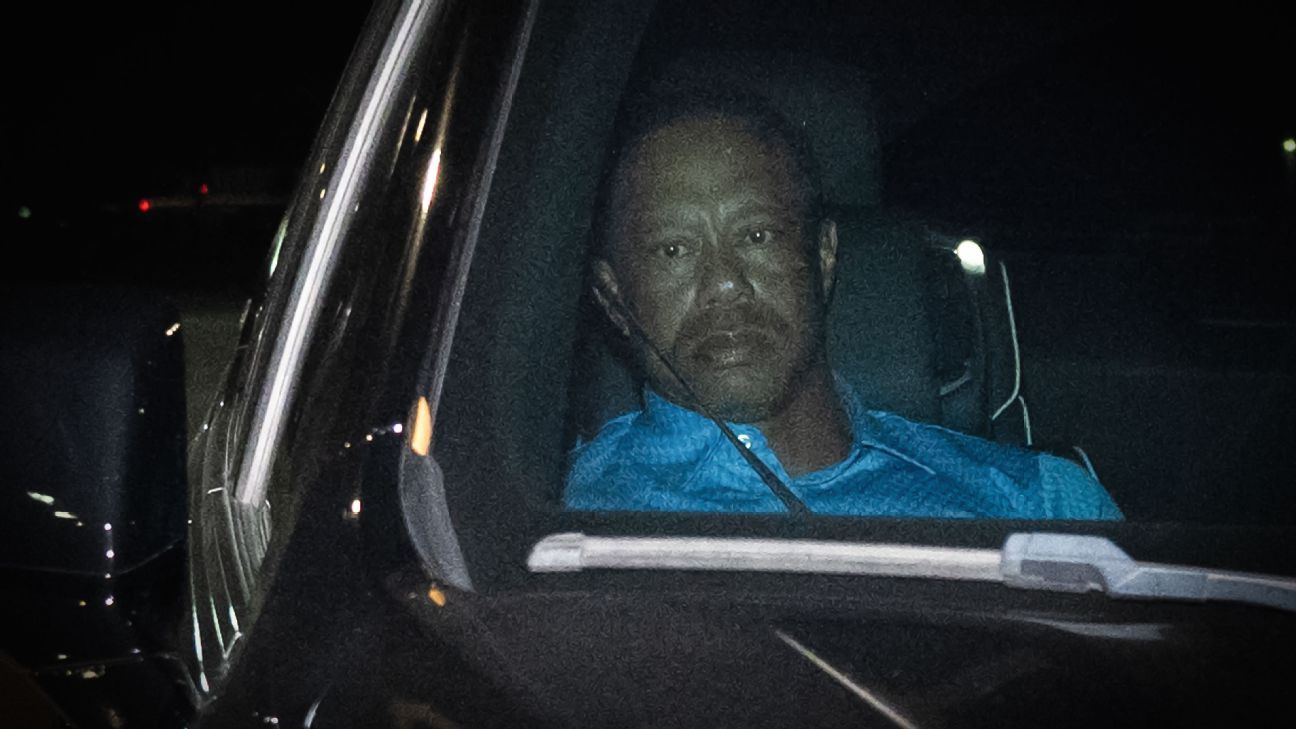
Bediako's case is an intriguing one, as he left the school two years ago to go pro. He's signed a two-way contract with an NBA team, but has not appeared in an NBA game.
His return to Alabama has been heavily covered as college athletics deals with a flurry of eligibility issues. In a game at Florida over the weekend, Bediako was chided as a "G League Drop Out" in chants by the opposing fans.
Bediako's lawyers - and Alabama's administrators - have contended that Bediako's case isn't different than both foreign professionals and G League players who've received NCAA eligibility.
The NCAA has made clear they see a distinction with Bediako, as he signed a two-way deal. Darren Heitner, one of Bediako's attorneys, argued on social media on Thursday that the NCAA has practiced "selective enforcement" of eligibility rules.
"Greg Sankey's emphasis on the need for consistent application of eligibility rules to avoid disruption in college sports is contradicted by the NCAA's own recent practices," Heitner said.
Sankey's affidavit has resonated in the college sports industry, as he's considered one of the most powerful people in college sports and Alabama is one of the space's most dominant brands.
Sankey summarized his case by noting that eligibility rules support the educational mission of college athletics and provide opportunities for future student athletes.
Bediako's injunction hearing is on Friday morning at the Tuscaloosa County Circuit Court.